
Research Areas
The Whitlock Lab develops innovative biomaterials and regenerative therapies for musculoskeletal disorders. Our research focuses on injectable hydrogels for avascular osteonecrosis, biphasic scaffolds for osteochondral repair, and advanced biomaterial platforms for bone, cartilage and osteochondral repair.
Biphasic Scaffolds for Osteochondral Repair
Our laboratory designs PCL-based 3D-printed biphasic scaffolds that repair both articular cartilage and subchondral bone in large osteochondral defects. These biomimetic scaffolds are engineered to promote integrated tissue regeneration, with their efficacy demonstrated in clinically relevant large-animal models.
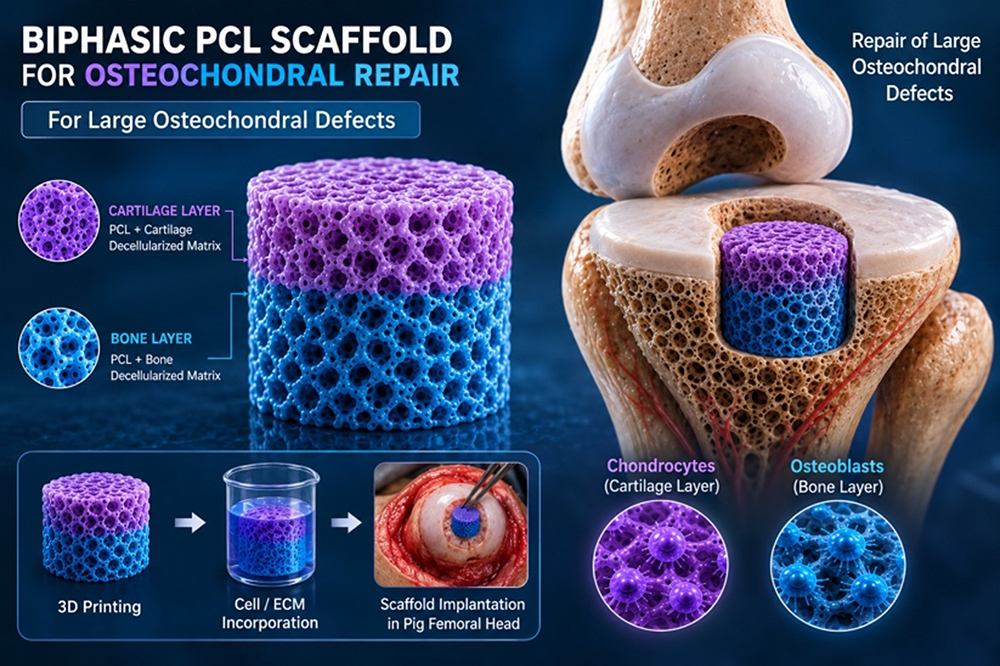
Figure 1: Biphasic scaffold for repair of large osteochondral defect.
3D Bioprinting for Bone and Cartilage Regeneration
We engineer polymer nanocomposite-based bioprinting inks to fabricate 3D bioprinted scaffolds that promote bone and cartilage tissue regeneration. By integrating advanced biomaterials with bioprinting technologies, we develop biomimetic constructs that enhance tissue repair and support the translation of regenerative therapies to clinical applications.
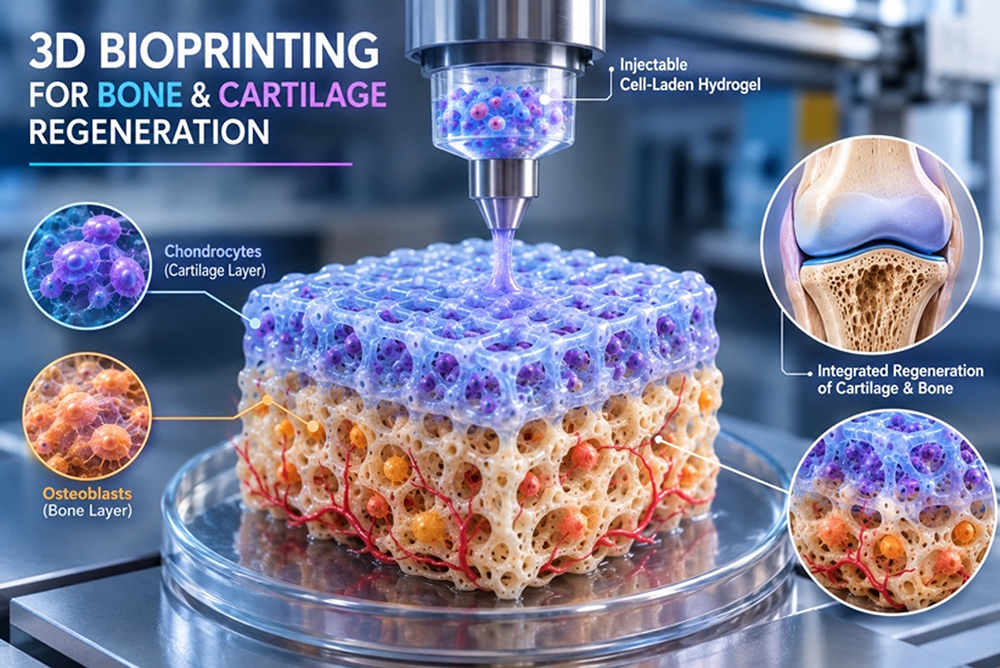
Figure 2: 3D bioprinted scaffold for osteochondral joint repair.
Injectable Hydrogels for Avascular Osteonecrosis (AVN)
We are developing minimally invasive, sustainable polymer-based injectable hydrogels that codeliver mesenchymal stem cells and endothelial cells to necrotic bone. By promoting simultaneous osteogenesis and angiogenesis, these biomaterial platforms aim to restore vascularized bone, preserve the femoral head and improve outcomes for patients with AVN.
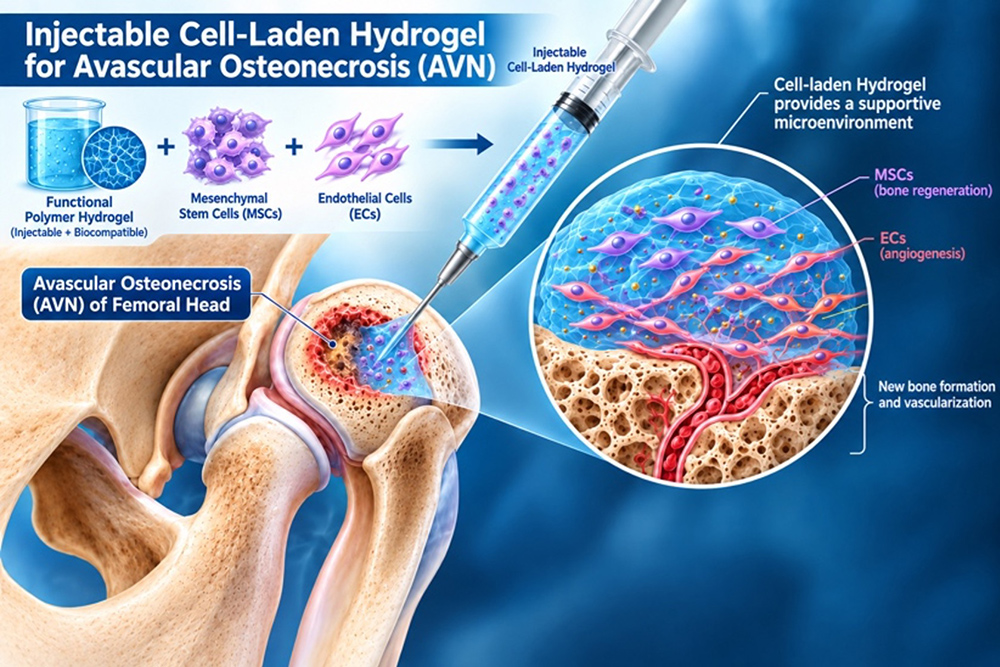
Figure 3: Minimally invasive injectable hydrogel therapy for femoral head AVN.
Contact the Whitlock Lab
Pacific Design Center
Lab 230B, Suite 50J
8687 Melrose Ave.
West Hollywood, CA 90069