
Chaib Lab
The Chaib Laboratory studies how cellular senescence shapes aging, metabolic health and cancer. We investigate why senescent cells persist, how they interact with the immune system and how they contribute to inflammation and tissue dysfunction. Using human cells, clinical samples and experimental models, we seek better ways to identify and target these cells and improve health during aging.
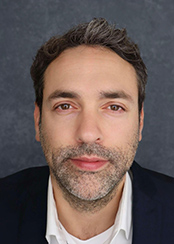
Personal Statement
My research asks why the immune system fails to clear senescent cells and how we can restore that surveillance. Drawing on research in cancer, aging and metabolic disease, I study the mechanisms that allow these cells to persist. My goal is to support healthier aging, improve metabolic health and help reduce the incidence and recurrence of cancer.
Selim Chaib, PhD
Breakthrough Research
- Immune evasion in aging: How proteins such as PD-L2 allow senescent cells to escape immune clearance and accumulate in tissues.
- Senescence and cancer treatment: How senescent tumor cells persist after chemotherapy and whether restoring immune clearance can improve treatment response.
- Senescence and metabolic disease: How senescent cells contribute to inflammation and impaired glucose regulation in obesity, and whether clearing them improves metabolic health.
Publications
Learn more about the recent research publications from the Chaib Lab.
Laboratory Team
Meet the Chaib Laboratory team studying cellular senescence, immune surveillance, cancer, aging and metabolic disease.
Job Opportunities
Interested in cellular senescence, aging, metabolism or cancer immunology? Contact Chaib to discuss research and training opportunities.
Collaborations
We seek collaborations that connect cellular senescence, cancer immunology and metabolism to uncover mechanisms of immune evasion and advance translational research.
Contact the Chaib Lab
Pacific Design Center
8687 Melrose Ave., Office G-571
West Hollywood, CA 90069