
Research Areas
We investigate biological mechanisms driving neurotypical development, how these processes are altered in neurodevelopmental disorders, and how they are shaped by environmental exposures, including prenatal substance exposure. Using advanced computational approaches, including machine learning and agentic AI, we integrate longitudinal multimodal neuroimaging (fMRI, dMRI), behavioral phenotyping, and environmental characterization to understand developmental trajectories from infancy through childhood. By identifying modifiable pathways of risk and resilience, we aim to predict individual neurodevelopmental trajectories and inform personalized interventions for at-risk populations.
AI-Driven Computational Methods for Neurodevelopmental Research
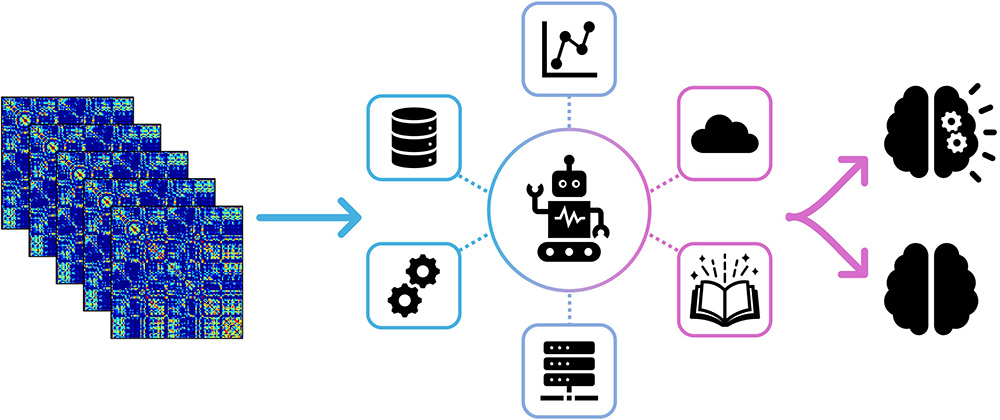
We develop and apply advanced computational approaches to extract meaningful information from complex, high-dimensional, population-level neurodevelopmental datasets. We investigate how agentic AI approaches can optimize feature selection to identify informative combinations of neuroimaging and environmental features while reducing dimensionality to improve the interpretability and generalizability of predictive models.
Mapping Normative Brain Development
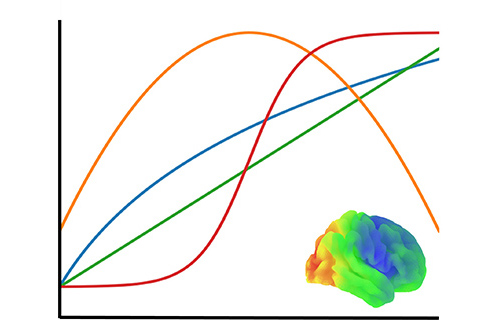
We are developing data-driven models of functional and structural brain development across infancy and childhood using large-scale longitudinal neuroimaging datasets to characterize how brain networks emerge, reorganize, and become increasingly specialized over development.
Characterizing Developmental Effects of Prenatal Substance Exposure
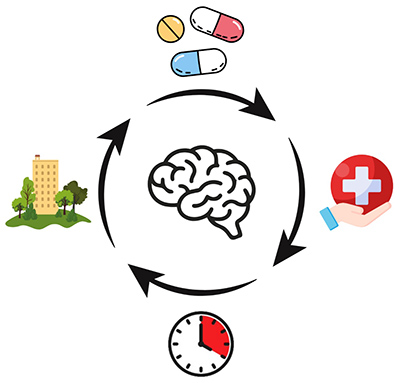
We investigate how differences in the timing, dosage, and combination of prenatal substance exposures relate to infant brain development and later behavioral outcomes. By integrating neuroimaging with detailed exposure, clinical, and environmental measures, we use computational approaches to identify exposure-specific signatures and factors that may confer risk and resilience.
Parsing Heterogeneity in Autism
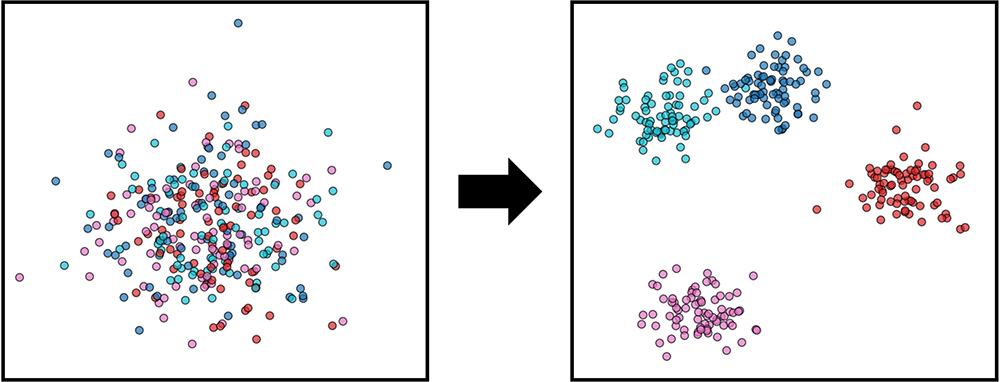
We investigate distinct neurodevelopmental subgroups that may underlie individual differences in autism. Using data-driven analyses of early-life neuroimaging and behavioral data, we aim to identify biologically meaningful subgroups, characterize their distinct developmental profiles, and determine whether subgroup-specific neural patterns can be detected before clinical symptoms emerge.
Integrating Brain and Environment to Predict Developmental Outcomes
We generate predictive models that combine neuroimaging with environmental information to understand which factors best explain individual differences in early development. These projects use machine learning, dimensionality reduction and interpretable modeling approaches to move toward more individualized models of developmental risk and resilience.
Placental and Immune Mechanisms of Prenatal SSRI Exposure
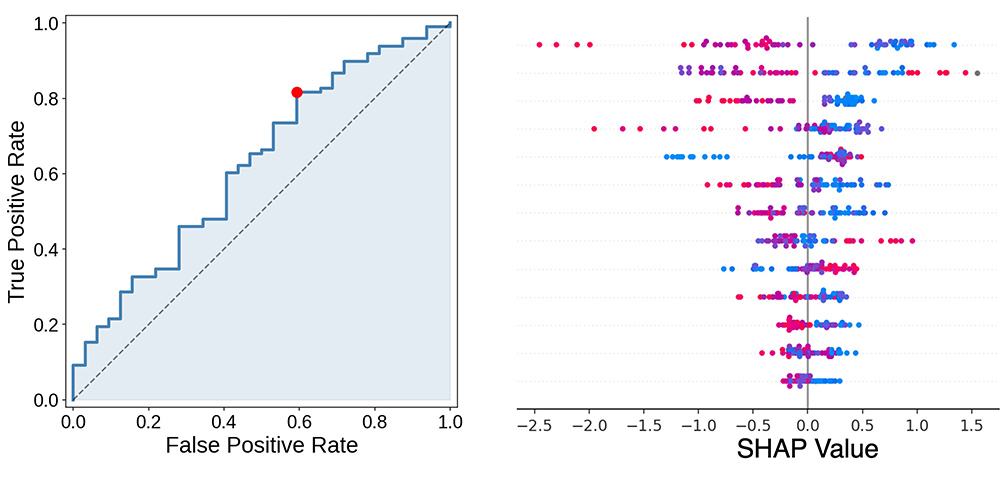
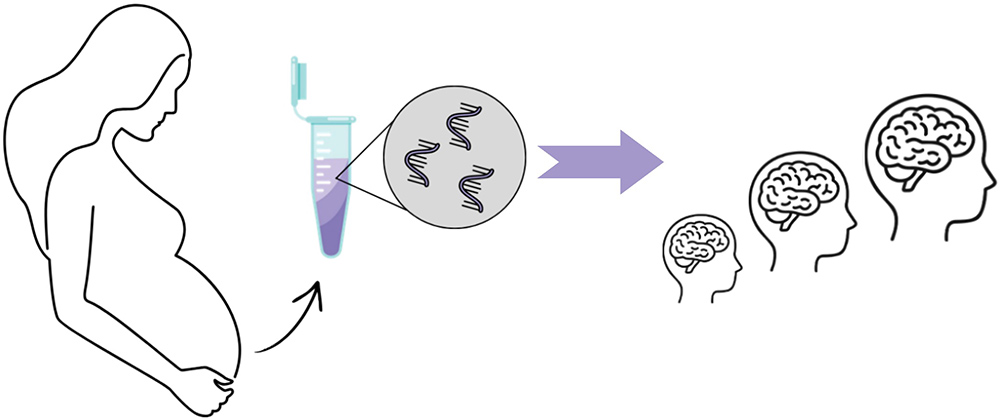
We combine placental and blood-based molecular data with infant neurodevelopmental measures to investigate biological pathways linking prenatal SSRI exposure to early brain and behavioral development. Using bulk RNA sequencing and immune profiling, these projects aim to identify markers of risk and resilience that can inform future studies of individualized developmental trajectories and intervention targets.
Contact the Liu Lab
Biomedical Imaging Research Institute
6500 Wilshire Blvd.
Los Angeles, CA 90048