
Research Areas
My lab studies CFTR biology to understand disease mechanisms and develop targeted therapies. Our work integrates basic science with translational and personalized approaches, using advanced models to improve treatment strategies for cystic fibrosis and related disorders.
Macromolecular Complexes of Cystic Fibrosis Transmembrane Conductance Regulator (CFTR) and Its Interacting Partners
The molecular assembly of CFTR with its interacting proteins is of great interest and importance because several human diseases are attributed to altered CFTR regulation, among which cystic fibrosis is the most serious. Our lab studies interactions between the opposing terminal tails (N- or C-) of CFTR and its binding partners, either directly or via various PDZ domain-containing proteins, and how these interactions affect CFTR functional outcomes. These dynamic interactions impact the channel function as well as the localization and processing of the CFTR protein within cells.
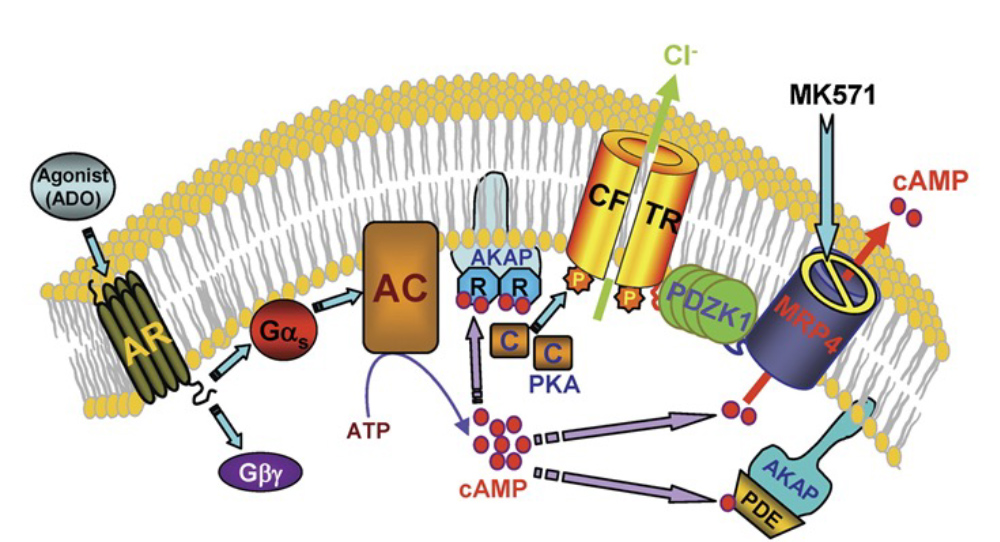
Spatiotemporal Coupling of cAMP Transporter to CFTR Chloride Channel Function in the Gut Epithelia. Cell. 131, 940-951
Cystic fibrosis transmembrane conductance regulator (CFTR) is a cAMP-regulated chloride channel localized at apical cell membranes and exists in macromolecular complexes with a variety of signaling and transporter molecules. Here, we report that the multidrug resistance protein 4 (MRP4), a cAMP transporter, functionally and physically associates with CFTR. Adenosine-stimulated, CFTR-mediated chloride currents are potentiated by MRP4 inhibition, and this potentiation is directly coupled to attenuated cAMP efflux through the apical cAMP transporter. CFTR single-channel recordings and FRET-based intracellular cAMP dynamics suggest that a compartmentalized coupling of cAMP transporter and CFTR occurs via the PDZ scaffolding protein, PDZK1, forming a macromolecular complex at apical surfaces of gut epithelia. Disrupting this complex abrogates the functional coupling of cAMP transporter activity to CFTR function. Mrp4 knockout mice are more prone to CFTR-mediated secretory diarrhea. Our findings have important implications for disorders such as inflammatory bowel disease and secretory diarrhea.
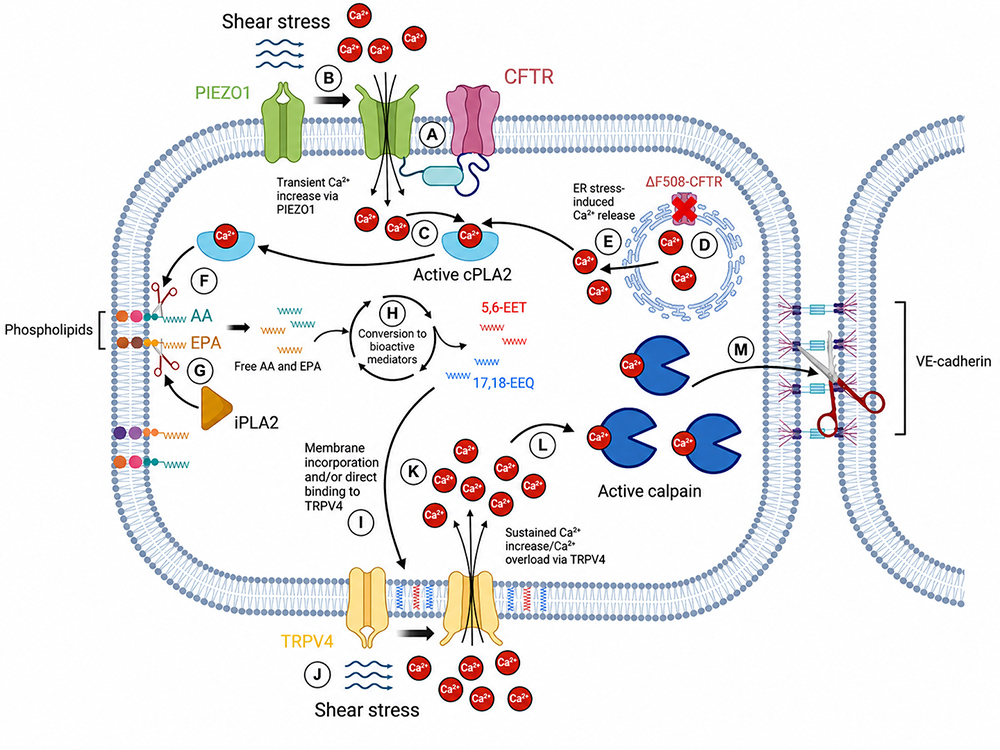
Defective CFTR modulates mechanosensitive channels TRPV4 and PIEZO1 and drives endothelial barrier failure. iScience. 2024; 27.
Despite reports of CFTR expression on endothelial cells, pulmonary vascular perturbations and perfusion deficits in CF patients, the mechanism of pulmonary vascular disease in CF remains unclear. Here, our pilot study of 40 CF patients reveals a loss of small pulmonary blood vessels in patients with severe lung disease. Using a vessel-on-a-chip model, we establish a shear-stress-dependent mechanism of endothelial barrier failure in CF involving TRPV4, a mechanosensitive channel. Furthermore, we demonstrate that CFTR deficiency downregulates the function of PIEZO1, another mechanosensitive channel involved in angiogenesis and wound repair, and exacerbates loss of small pulmonary blood vessels. We also show that CFTR directly interacts with PIEZO1 and enhances its function. Our study identifies key cellular targets to mitigate loss of small pulmonary blood vessels in CF.
Personalized Medicine in CF and CFTR-Related Disorders
Cystic fibrosis results from the absence or dysfunction of the cystic fibrosis transmembrane conductance regulator (CFTR) chloride channel. Defects in CFTR are strongly associated with genetic variations in the CFTR gene that are unique to individual CF patients or to subgroups within the CF patient population. Thus, our laboratory has developed a personalized medicine approach to tailor care to individual CF patients based on the unique molecular and phenotypic characteristics of their CFTR gene. This will drive successful therapeutic outcomes and minimize potential adverse effects of chronic therapies. Given that our CF Center already has an excellent electronic medical record system and a site-specific, IRB-approved genotype database available for clinical and research use, we intend to leverage these capabilities to develop personalized cystic fibrosis therapy for individual patients to (i) determine their susceptibility to a particular form of CF mutation, and ii) take steps to mitigate the early onset of the disease. Finally, the future of CF research holds the potential for a variety of CFTR-targeted therapies (i.e., CFTR modulators) to treat the underlying cause of CF, with multiple modulators currently in different stages of development.
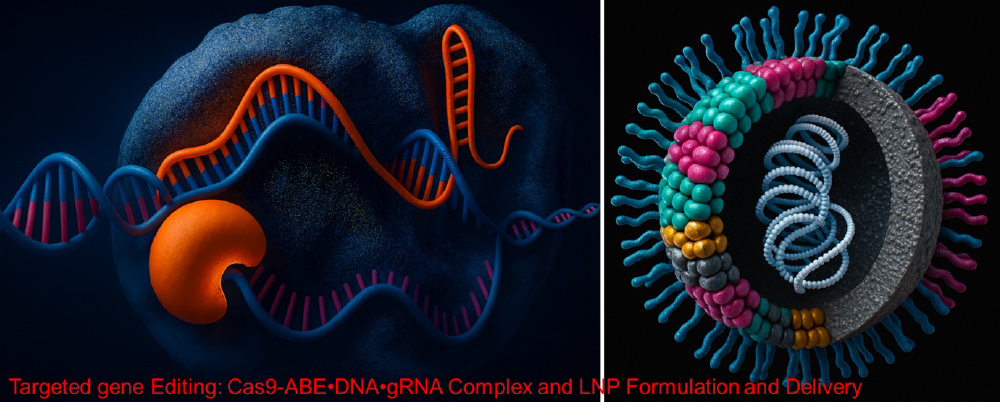
Furthermore, CF mutations, particularly Class I variants that cannot be rescued by current modulators, remain one of the greatest challenges in the field. Using gene-editing technologies such as CRISPR, we aim to precisely correct patient-specific mutations and restore normal cellular function. This personalized approach enables the development of targeted treatments tailored to each individual’s genetic profile, moving beyond conventional CF therapies.
Personalized Medicine for CF Patients
N-of-1 Study Design
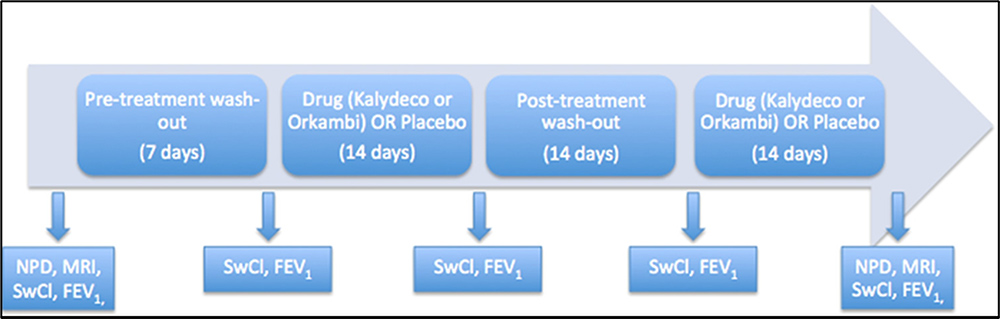
Am J Physiol Lung Cell Mol Physiol. 2018, 314:4.
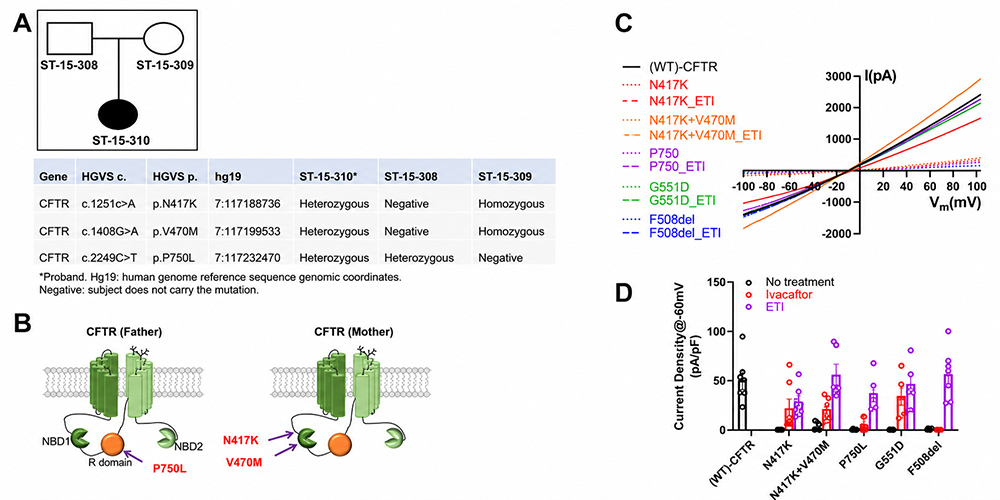
A personalized medicine approach to optimize care for a pediatric cystic fibrosis patient with atypical clinical symptoms. Pediatr Pulmonol. 2024 Jan;59(1):229-232. doi: 10.1002/ppul.26719. Epub 2023 Oct 11. PMID: 37818777; PMCID: PMC10842517.
WES to identify CFTR variants in the patient, and augmentation of CFTR channel function with patient’s mutations to CF modulators (A) Family pedigree and identification of compound heterozygous mutations of c.1251C>A (p.N417K), c.1408G>A (p.V470M), and c.2249C>T (p.P750L) in the patient’s CFTR gene. (B) Mutation sites in the CFTR protein. (C) The I-V relationships and (D) the current densities for CFTR with the indicated mutations with or without ETI.
Personalized Model System to Study CFTR and CFTR-Related Disorders
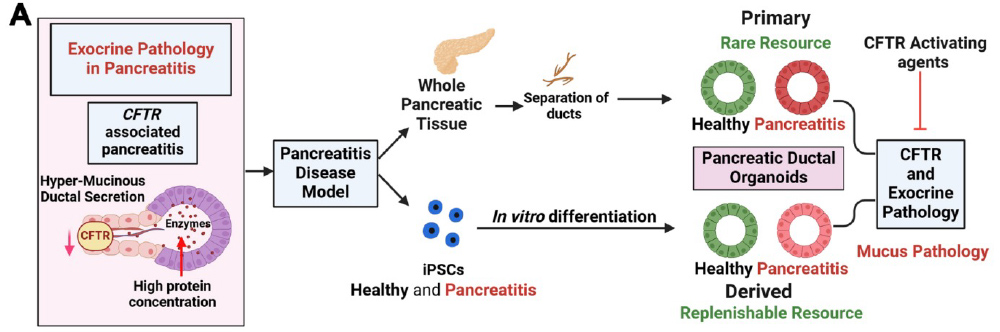
Our laboratory has developed novel physiologically/pathophysiologically relevant models using intestinal stem cells and airway epithelial cells (referred to as organoids). These are applicable to the study of CF, but also of other biological processes and diseases of the gastrointestinal (GI) tract. It is to be noted that we have trained researchers from other institutions (Marshall University, University of Tennessee, Franklin Rosalind University, Ohio State University, etc.), in isolating and testing these organoids for CFTR function. We have also developed leading-edge medium- to high-throughput screening to identify potent correctors and potentiators that can mitigate CF. We have also developed intestinal stem cell cultures (monolayers derived from organoids), iPS technology and imaging technologies, including high-content microscopy. The fluid secreted by organoids in vitro will provide a framework for testing the effects of specific CFTR therapeutics (e.g., correctors, potentiators and antidiarrheals) in a patient-specific manner.
Southern California Cystic Fibrosis Research Program
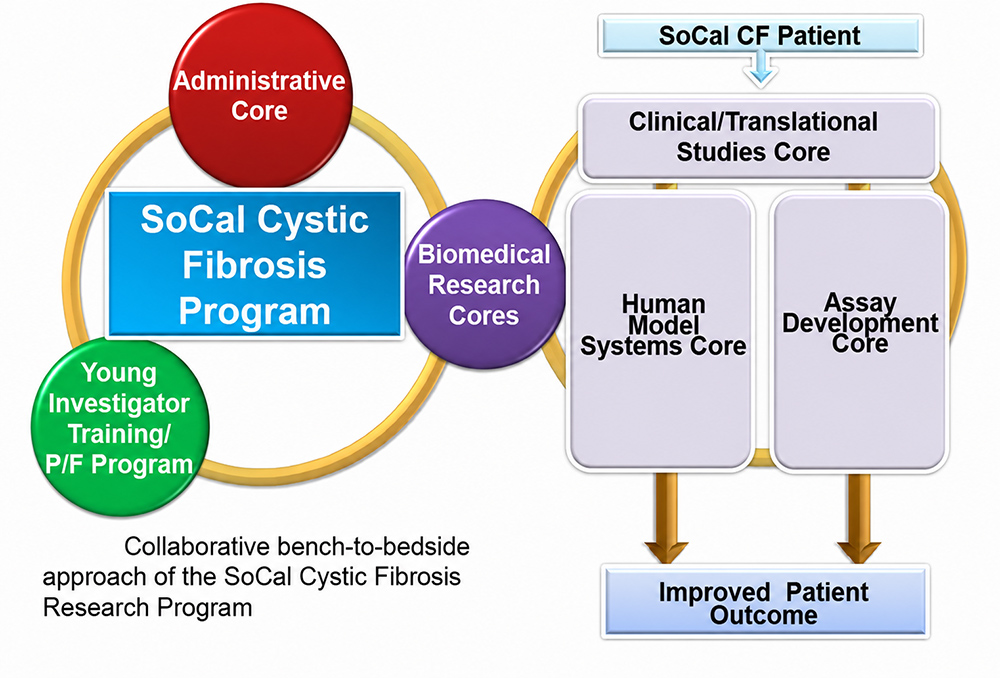
Our goal is to bridge and promote clinical, translational and basic research collaboration to improve cystic fibrosis therapy and patient quality of life through personalized medicine. We will achieve this goal through three integrated cores: Clinical and Translational Core, Human Model Systems Core and CFTR Assay Development Core.
The patient-derived samples and model systems (chips) can be requested by the program.
Contact the Naren Lab
127 S. San Vicente Blvd.
Pavilion, Suite A9200.05
Los Angeles, CA 90048