
Lab Members
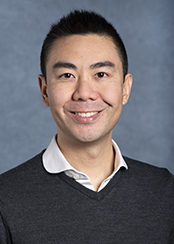
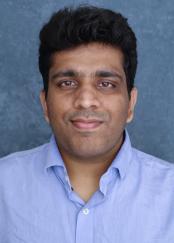
Sandeep completed his undergraduate degree in bioinformatics from Sathyabama Institute of Science and Technology in Chennai, India. He is pursuing his master's degree in biotechnology and bioinformatics at California State University Channel Islands, where he works with Dr. Bill Tawil on in silico and epidemiological studies focused on acral lentiginous melanoma. He developed a strong interest in disease modeling, stem cell research and translational approaches to human disease. He joined the Ho Lab as a CIRM Bridges trainee to study how Polycomb Repressive Complexes regulate early neural differentiation, with a focus on accelerating the transition of human iPSCs into neuroepithelial cells.
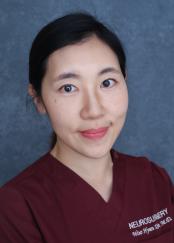
Woo Hyun Kim, an international scientist from South Korea, earned her doctor of medicine degree from Gachon University Graduate School of Medicine. She completed her residency training in neurosurgery at Severance Hospital, followed by two years of service as a clinical assistant professor of neurosurgery. Driven by a deep interest in the molecular mechanisms of neurological disorders and translational research, she transitioned to the laboratory setting to bridge clinical insights with basic science. Prior to joining the Ho Lab, she worked in Dr. John Yu's laboratory, where her work focused on developing novel therapeutic strategies for glioblastoma, centering on molecular delivery systems targeting specific inflammatory pathways. In the Ho Lab, Woo Hyun leverages her clinical background to advance cutting-edge research in neural sciences and neurodegenerative diseases.
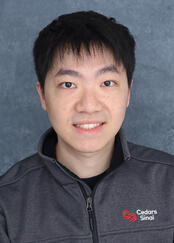
Ken earned his bachelor's degree in Biochemistry from the University of Washington. He joined Dr. Young Kwon's lab, where he screened genes involved in cell dissemination, then earned a master's degree from Johns Hopkins University, studying ovarian stem cell development under stress conditions. He later conducted neural stem cell research in Dr. Alexey Veraksa's lab at UMass Boston. Ken joined the Ho Lab as a PhD student to study neuronal maturation, aging processes and neurodegenerative diseases using iPSCs. In his free time, he enjoys scuba diving, hiking and cooking.
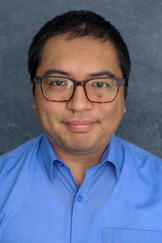
Michael completed his undergraduate studies in biology at California State University, San Bernardino, where he developed an interest in stem cells and regenerative medicine. He then worked as a laboratory technician at Cedars-Sinai, where he received specialized training in the use of induced pluripotent stem cells (iPSC) to study neurodegeneration and pancreatic disorders. He joined the Ho Lab as a graduate student to study the genetic programs involved in aging.
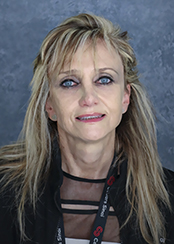
Oksana earned her master's degrees in Neuroscience from Moscow State University and in Chemistry from Kharkov State University in Ukraine. She has extensive experience in animal surgery, in vivo electrophysiology, animal colony management and behavioral testing in disease and substance use disorder models. She studies animal behavior in the context of human neurological disorders and is passionate about understanding the natural world.
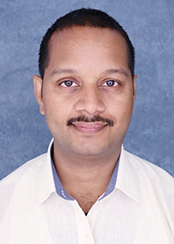
Brijesh earned his master’s in Biochemistry at the University of Allahabad, India and pursued doctoral studies in neuroscience from the National Brain Research Center, India. He explored the novel role of UBE3A, a ubiquitin E3 ligase in the pathogenesis of Alzheimer’s disease. To further his research skills, he moved to Columbia University to advance his career as a postdoctoral research scientist under the supervision of Dr. Alejandro Chavez, where he focused on developing CRISPR/Cas9-assisted tools, specifically high-throughput gene knock-in technologies and targeted mutations to explore subcellular phenotypes in neurodegenerative disease. In the Ho Lab, Brijesh will be leading CRISPR-engineered neuron maturation and aging projects to model iPSCs for sporadic neurodegenerative diseases like Alzheimer’s disease (AD) and amyotrophic lateral sclerosis (ALS).
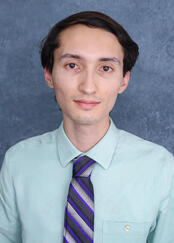
Ian Tindel completed his undergraduate degree in biology from California State University, Los Angeles (CSULA), with a minor in computer science. Tindel has previously engaged in research on wing imaginal disc development at CSULA and osteoarthritic clinical data at the VA Greater Los Angeles Health Care System. He is currently analyzing the declining motor behavior of aging wild type and amyotrophic lateral sclerosis (ALS) mice.
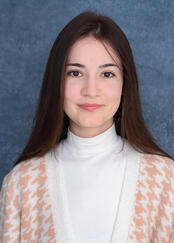
Benisa, an international student from Albania, graduated from CSUN, with a bachelor of science in biotechnology. During her time as an undergraduate research assistant in Dr. Cindy Malone’s Gene Regulation Lab, she investigated the role of transcription factor binding sites in regulating the Transducin-like Enhancer of Split 1 gene, aiming to uncover its expression mechanisms and identify potential targets for cancer therapy. Currently in the Ho Lab, she is working with patient-derived iPSCs to develop relevant models and potential therapeutic candidates for C9orf72 ALS.